Cloud Compute and Cost Governance
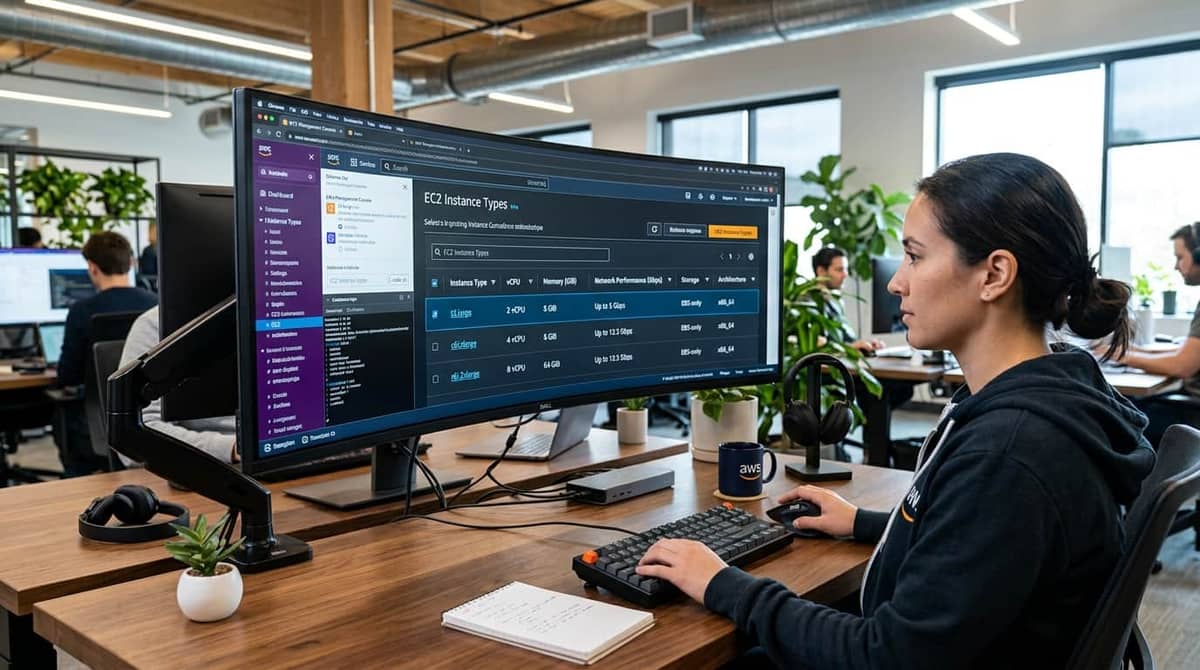
Operating cloud workloads requires balancing compute capacity with monthly financial constraints. Selecting oversized virtual machines wastes capital, while underprovisioned hosts cause memory exhaustion and connection drops. Our cloud infrastructure tutorials analyze compute families, memory-to-vCPU ratios, and predictable provisioning workflows across Amazon Web Services and hybrid environments.
Container Architecture and Linux Administration
All Linux server commands, container networking configurations, and permission scripts are tested on clean Debian and Ubuntu LTS installations before release. We check bridge network routing, persistent volume bindings, and permission modes in isolated virtual machines. We never advise blind execution of elevated root permissions without explaining the exact security trade-offs involved.
Network Routing and Resilience
Network configurations are validated using packet capture tools, simulated high-latency connections, and failover drills. Our tutorials verify firewall rules, subnet boundaries, and port mappings under realistic production traffic loads.